Stone Veneer Installation in Omaha, NE
Matney Masonry provides professional stone veneer installation in Omaha, NE for residential and commercial properties seeking the appearance of natural stone without the structural weight of full masonry construction. Veneer systems consist of thin stone units applied to a prepared substrate, creating a durable and visually authentic stone surface suitable for both interior and exterior applications.
Proper installation is essential for long-term performance, particularly in Omaha’s climate where moisture, temperature fluctuations, and freeze-thaw cycles can cause poorly installed veneer to crack, loosen, or separate from the wall. The process involves structural assessment of the backing surface, installation of moisture barriers, secure anchoring systems, and precise placement of each stone unit to ensure stability and consistent joint spacing.
Stone veneer can be used on new construction or retrofitted to existing buildings, allowing homeowners and property managers to upgrade exterior facades, accent walls, fireplaces, and entry features without altering the structural framework of the building.
Manufactured Stone Veneer Installation
Manufactured stone veneer is engineered from lightweight concrete materials molded to replicate the appearance of natural stone. It offers design flexibility and reduced structural load while maintaining durability when installed correctly. Because manufactured stone is lighter than full-thickness stone, it can be applied to framed walls with appropriate reinforcement and backing materials.
Surface Preparation Requirements
Successful manufactured stone installation begins with proper wall preparation. This typically includes installation of a weather-resistant barrier, metal lath or anchoring system, and a scratch coat to create a stable bonding surface. These layers protect the structure from moisture infiltration while ensuring the veneer adheres securely.
Joint and Layout Considerations
Manufactured veneer units are designed to interlock visually, but placement still requires careful planning to avoid repeating patterns and maintain a natural appearance. Mortar joints must be consistent in depth and thickness to prevent water penetration and structural stress over time.
Thin Stone Applications
Thin stone veneer uses real natural stone cut to a reduced thickness, typically between three-quarters of an inch and one and a half inches. This allows property owners to achieve the authentic look and texture of quarried stone without the weight of full-depth masonry. Thin stone is suitable for a wide range of surfaces, provided the substrate can support the load and the installation follows structural guidelines.
Natural Stone Selection
Thin stone veneer is available in limestone, sandstone, granite, and other natural materials commonly used in Nebraska construction. Each stone type has unique density, absorption characteristics, and color variation, which must be considered during installation to ensure uniform performance.
Structural Support and Anchoring
Although lighter than traditional stone, thin stone still requires secure attachment. Installation may involve mortar bonding, mechanical anchors, or a combination of both depending on the application. Proper reinforcement prevents slippage and ensures the veneer remains stable under environmental stress.
Exterior Thin Stone Use
On exterior walls, thin stone veneer must incorporate moisture management systems such as drainage planes and weep components. These features allow any infiltrating water to escape, reducing the risk of freeze damage and deterioration behind the stone surface.
Interior Stone Veneer Installation
Interior stone veneer adds texture and architectural depth to living spaces and commercial interiors. Unlike exterior applications, interior installations focus less on weather protection and more on substrate stability and finish quality. Common interior uses include fireplace surrounds, feature walls, entryways, and commercial reception areas.
Fireplace Surrounds
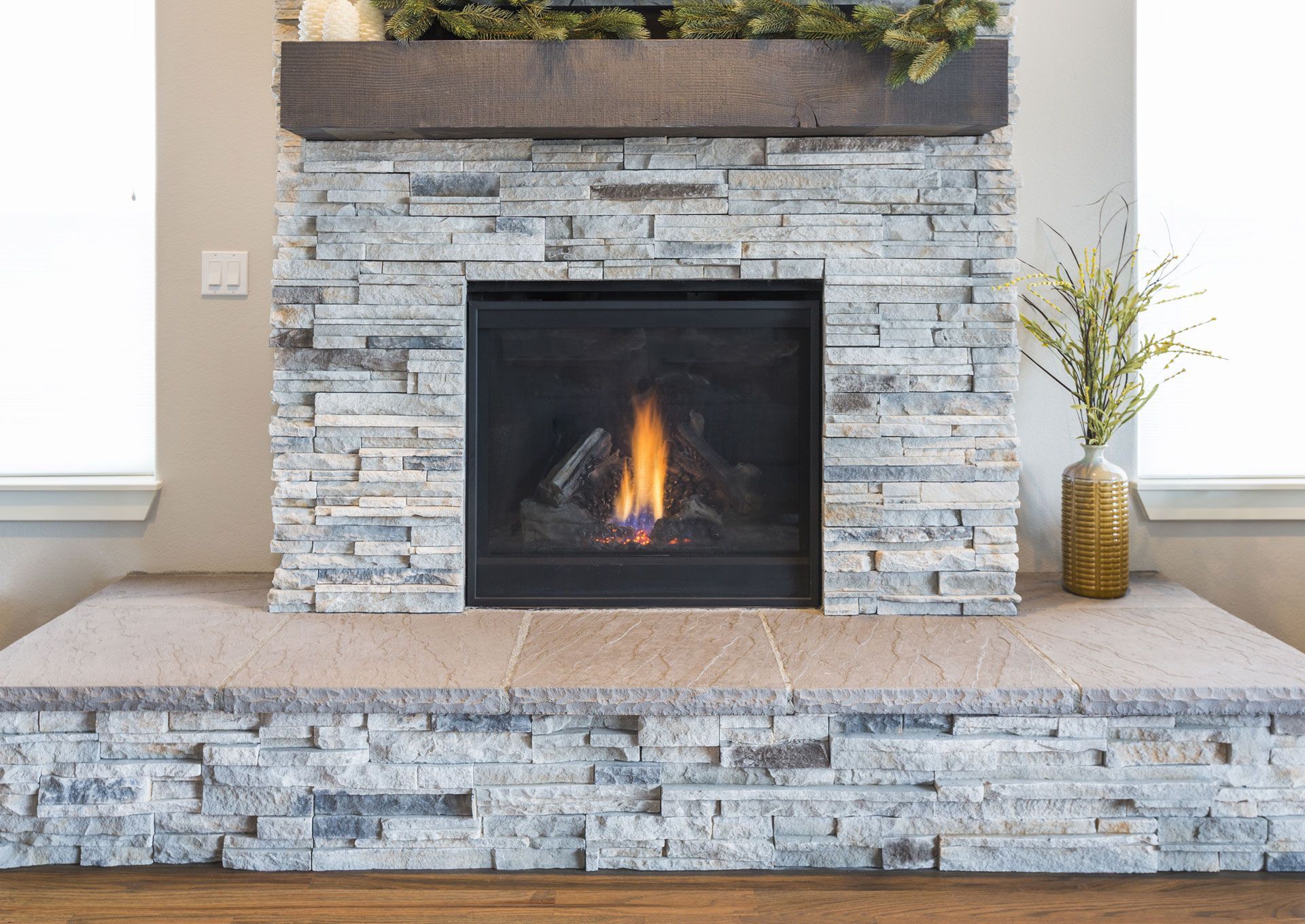
Stone veneer is frequently installed around fireplaces to create a focal point while protecting surrounding materials from heat exposure. Installation must account for clearance requirements and heat-resistant mortar where applicable.
Accent Walls and Architectural Features
Interior veneer can be applied to drywall, cement board, or masonry surfaces once properly prepared. The layout process is important for achieving a balanced appearance, especially when working with irregular stone shapes or varied color tones.
Exterior Veneer Work for Residential and Commercial Properties
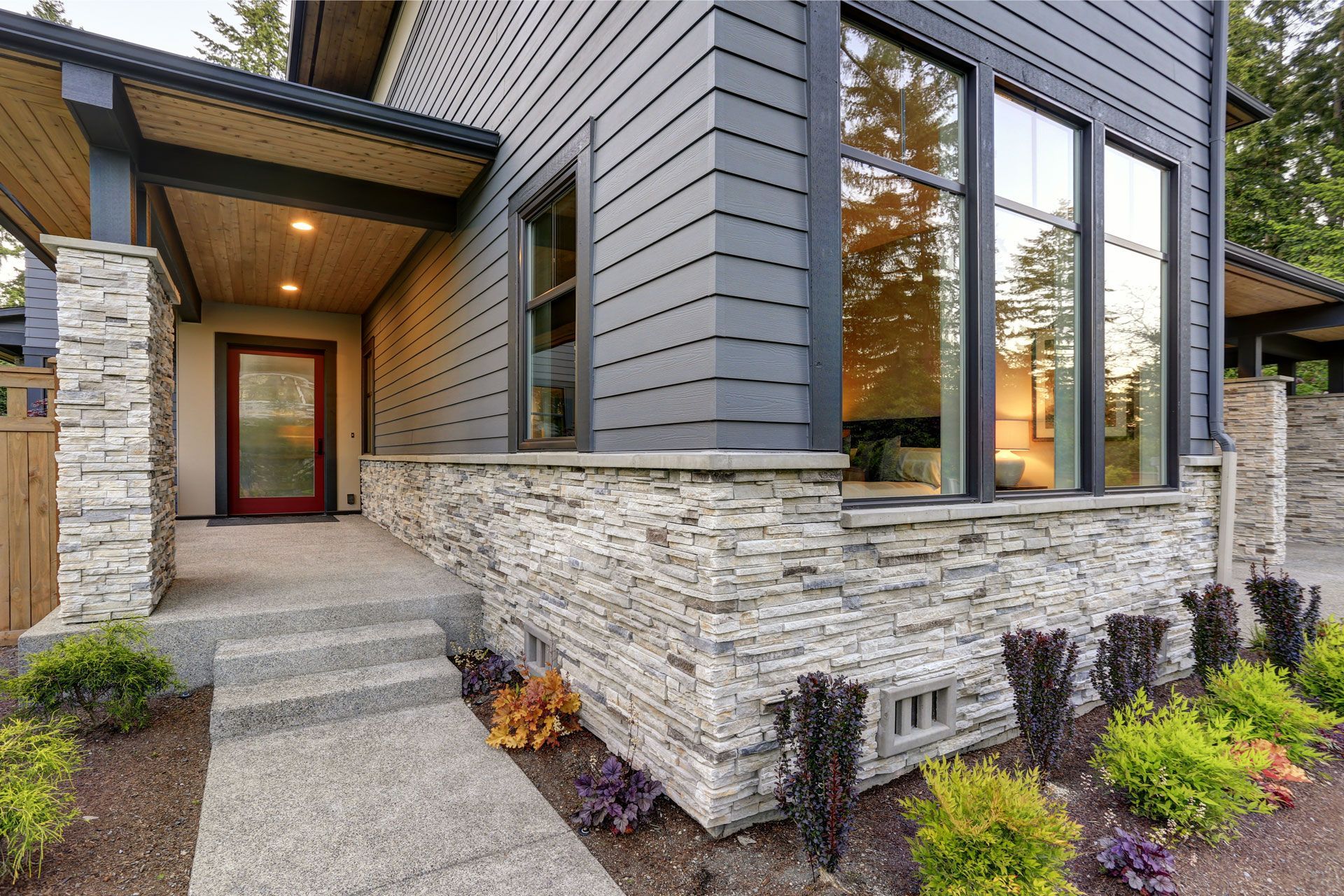
Exterior veneer installations serve both decorative and protective functions. When properly constructed, they shield underlying structures from weather while providing the appearance of full stone construction. Residential projects often include partial facade upgrades, foundation coverings, and porch features, while commercial applications may involve large wall surfaces or building entrances.
Residential Exterior Projects
Homeowners in Omaha frequently choose stone veneer to enhance curb appeal or modernize existing structures. Matching veneer style with roofing, siding, and landscaping elements helps create a cohesive exterior design.
Commercial Exterior Applications
Commercial veneer installations must meet stricter performance standards due to larger surface areas and exposure to heavy use. Anchoring systems, expansion joints, and moisture control details are especially important to accommodate building movement and environmental stress.
Stone Veneer Installation for Long-Term Performance
Whether using manufactured stone or thin natural stone, proper installation techniques determine how well the veneer performs over time. Issues such as inadequate drainage, improper bonding, or insufficient structural support can lead to cracking, bulging, or detachment. In Omaha’s climate, freeze-thaw cycles can accelerate these problems if moisture becomes trapped behind the veneer.
Matney Masonry provides stone veneer installation in Omaha, NE designed to address these regional conditions. By preparing the substrate correctly, selecting appropriate materials, and installing each stone unit with precision, veneer systems can maintain their appearance and structural integrity for many years. Stone veneer offers a practical way to achieve the visual impact of natural masonry while adapting to modern construction methods and building requirements.