Stonework Repair Services in Omaha, NE
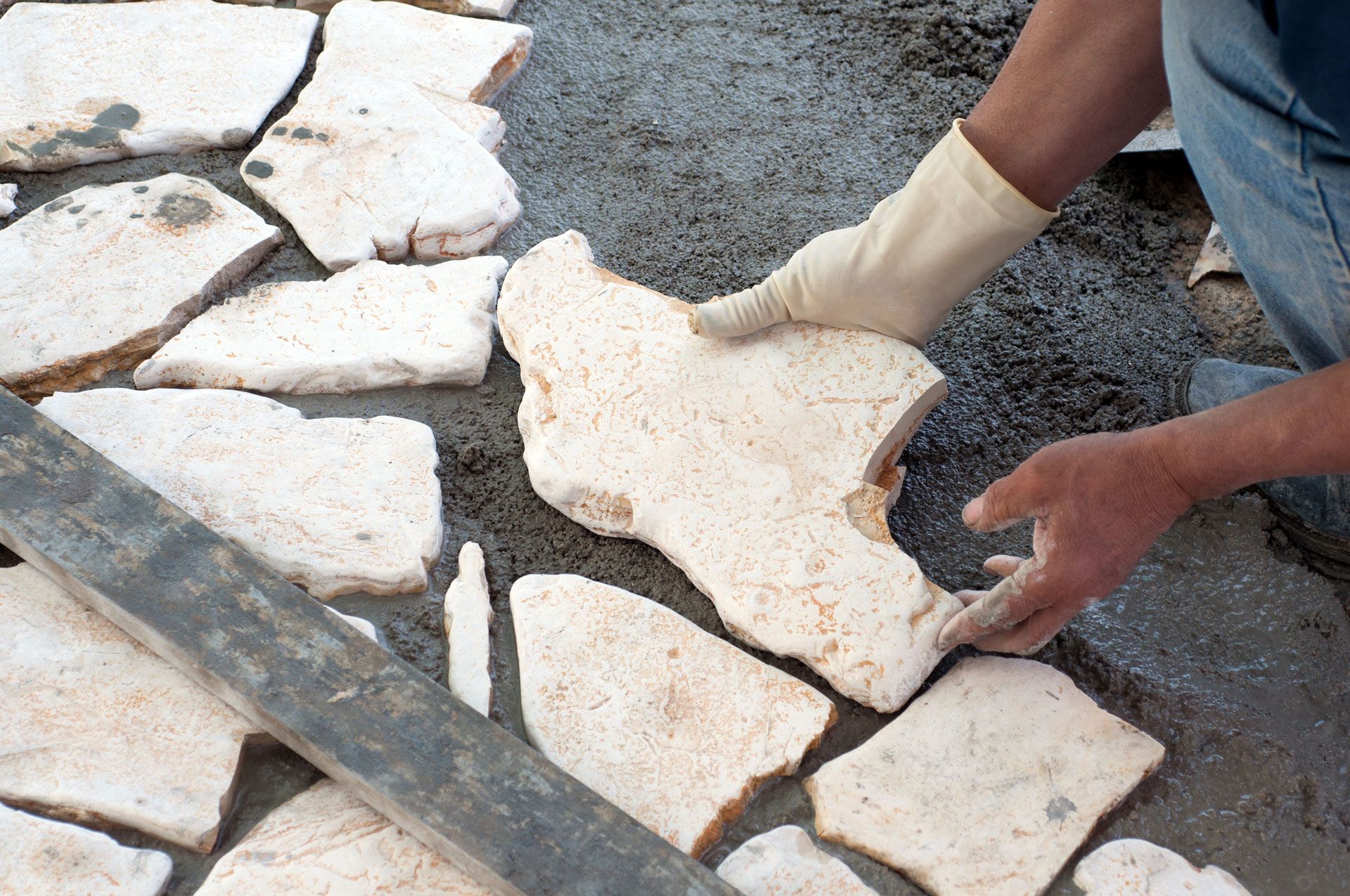
Matney Masonry provides professional stonework repair services in Omaha, NE for residential and commercial structures experiencing deterioration, damage, or structural instability. Stone masonry is highly durable, but over time it can develop issues due to weather exposure, foundation movement, moisture intrusion, and aging mortar. Addressing these problems promptly helps prevent more extensive structural damage and preserves the integrity of the original construction.
Omaha’s climate presents unique challenges for masonry. Freeze-thaw cycles cause trapped moisture to expand within joints and stone surfaces, leading to cracking, displacement, and surface spalling. Clay soils common in the region can shift seasonally, placing additional stress on stone walls and foundations. Effective repair work requires identifying the underlying cause of damage, not just the visible symptoms, and applying techniques that restore both appearance and structural performance.
Cracked or Damaged Stone Replacement
Individual stones within a wall or structure may crack, chip, or deteriorate due to impact, weathering, or internal stress. When damage compromises strength or allows water penetration, replacement becomes necessary to maintain stability and prevent progressive failure.
Removal of Compromised Stone Units
Repair begins with carefully removing the damaged stone without disturbing adjacent masonry. This process involves cutting or chiseling out surrounding mortar and extracting the affected piece while protecting the surrounding structure from additional stress.
Matching Replacement Materials
Selecting a compatible replacement stone is critical for both structural and visual continuity. Differences in density, porosity, or expansion rates can lead to uneven performance over time. Whenever possible, replacement stones are chosen to match the original type, color, and texture.
Structural Stabilization of Stone Masonry
Structural issues in stone construction often result from foundation movement, soil pressure, water damage, or deterioration of supporting components. Signs of instability may include bulging walls, separation between stones, leaning sections, or widening cracks. Stabilization focuses on reinforcing the structure to prevent collapse or further displacement.
Assessment of Underlying Causes
Before repairs begin, the source of movement must be evaluated. Stabilization strategies differ depending on whether the problem originates from foundation settlement, hydrostatic pressure, or loss of mortar integrity. Addressing the root cause helps ensure that repairs remain effective long term.
Reinforcement Techniques
Stabilization may involve rebuilding compromised sections, installing anchors or reinforcement systems, or improving support at the base of the structure. In some cases, drainage improvements are necessary to reduce soil pressure and moisture accumulation behind walls.
Realignment and Reconstruction
When displacement has occurred, affected areas may need partial dismantling and reconstruction to restore proper alignment. This process allows the masonry to be rebuilt with correct load distribution and joint integrity.
Mortar Failure Repairs
Mortar acts as the bonding material that holds stone units together and distributes structural loads. Over time, mortar can deteriorate due to moisture exposure, temperature fluctuations, and chemical weathering. Failing mortar weakens the entire assembly, allowing stones to loosen or shift.
Repointing and Joint Restoration
Mortar repair typically involves removing deteriorated material from joints and replacing it with new mortar compatible with the original composition. Proper depth and compaction are essential to ensure a strong bond and prevent water infiltration.
Compatibility with Existing Masonry
Using mortar that is too hard or too soft can cause additional damage. The replacement mixture must match the strength and flexibility of the original mortar to allow natural movement without cracking the surrounding stone.
Protection Against Moisture Intrusion
Well-executed mortar repairs help seal joints against water penetration, reducing the risk of freeze-thaw damage. In Omaha’s climate, this step is particularly important for extending the life of exterior stonework.
Repair of Load-Bearing Stone Structures
Load-bearing stone walls and foundations require specialized repair methods because they support significant structural weight. Damage to these elements can affect the safety of the entire building. Repairs must restore both the masonry itself and the structural support systems that distribute loads.
Foundation-Related Issues
Settlement or shifting foundations can lead to cracking and separation within stone walls. Corrective measures may include stabilizing the foundation before repairing the masonry to prevent recurring damage.
Reintegration of Structural Components
Repair work often involves ensuring that rebuilt sections tie securely into the existing structure. This may require reinforcing connections, adjusting joint placement, or rebuilding portions of the wall to maintain uniform load transfer.
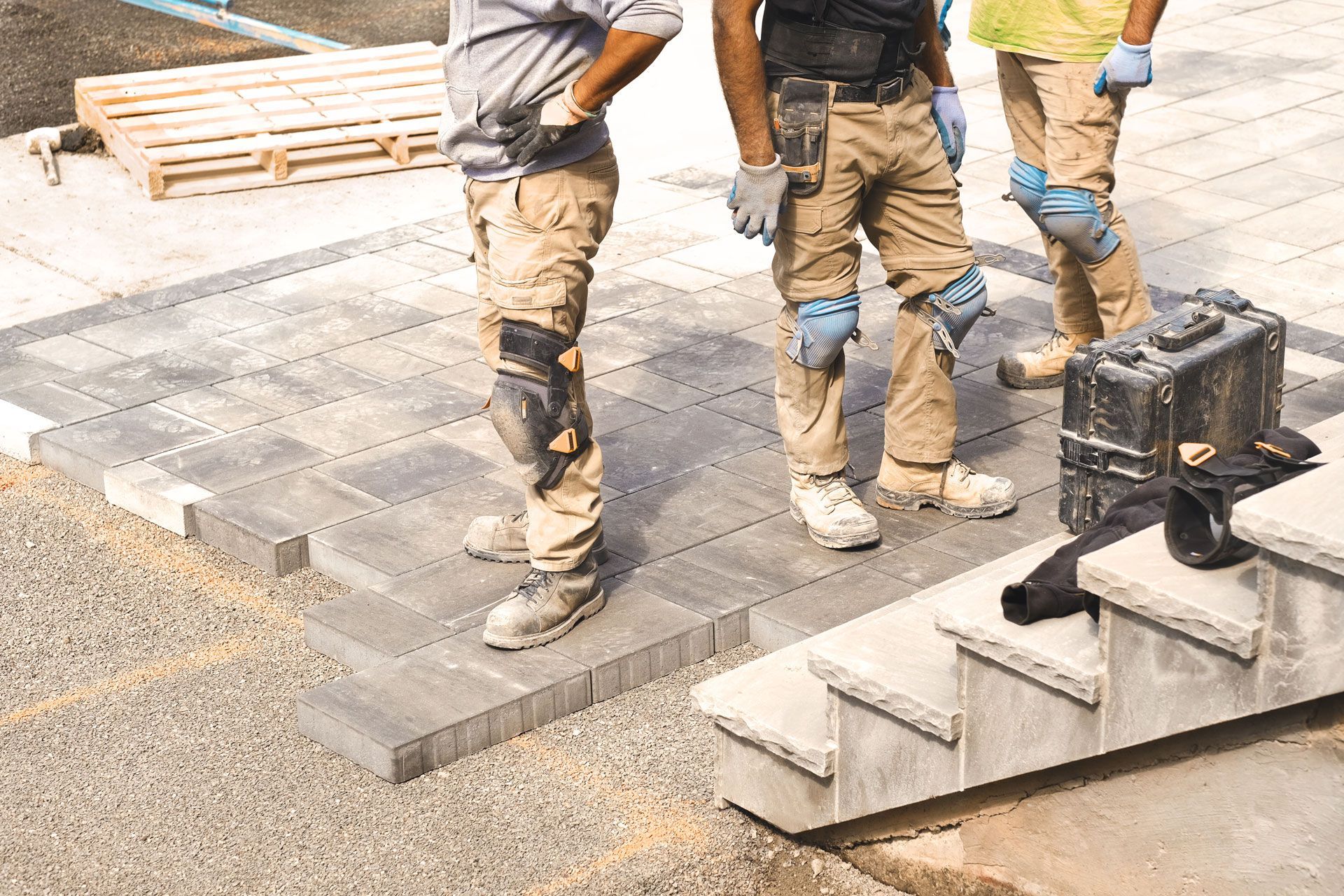
Stonework Repair for Residential and Commercial Properties
Stone masonry is used in a wide range of applications, including exterior walls, foundations, retaining structures, chimneys, and architectural features. Repair needs vary depending on the age, construction method, and exposure conditions of the structure. Residential repairs often focus on preserving appearance while restoring function, whereas commercial projects may involve larger structural concerns and compliance with building requirements.
Matney Masonry provides stonework repair services in Omaha, NE tailored to the specific condition of each structure. By combining traditional masonry techniques with modern stabilization methods, damaged stonework can be restored to a safe and durable condition. Proper repairs not only address visible deterioration but also reinforce the structure against future environmental stress.
Timely intervention is essential when stone masonry shows signs of failure. Cracked stones, loose sections, or deteriorating joints rarely resolve on their own and can worsen with continued exposure to weather and load forces. Professional repair restores the integrity of the construction while preserving the character and longevity of stone as a building.