Stonework Installation in Omaha, NE
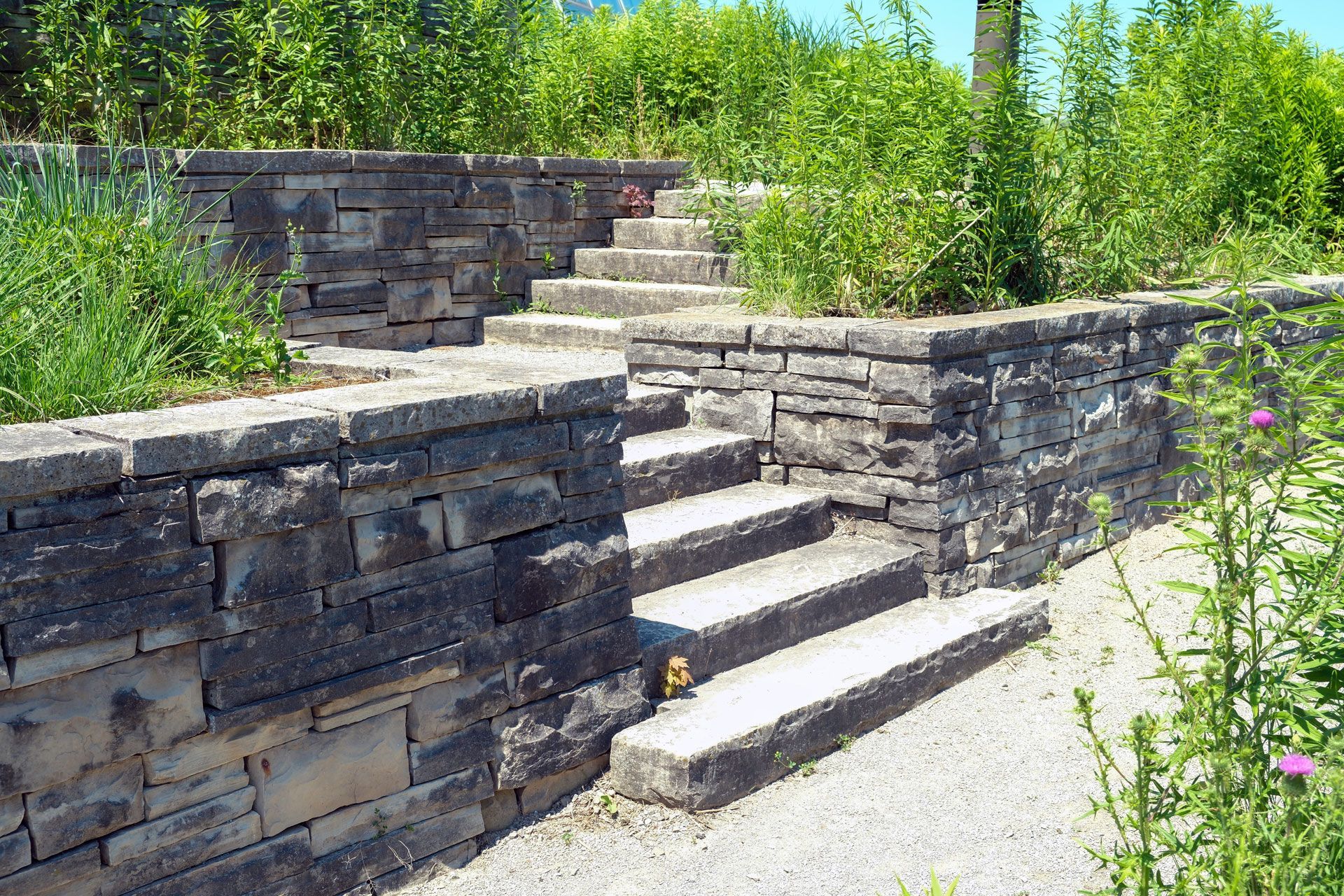
Matney Masonry provides professional stonework installation services in Omaha, NE for both residential and commercial properties. Natural stone construction requires precise craftsmanship, structural knowledge, and familiarity with local soil conditions and climate. From full structural stone walls to decorative facades and siding systems, properly installed stonework delivers long-term durability and architectural character that other materials cannot replicate.
Omaha’s freeze-thaw cycles, seasonal moisture, and shifting ground conditions demand installation methods that prevent cracking, separation, and water intrusion. Our approach focuses on proper footing preparation, drainage considerations, reinforcement where required, and accurate stone placement to ensure stability over time. Whether the project involves new construction or an exterior upgrade, each installation is designed to meet structural requirements while maintaining the natural appearance of the stone.
Natural Stone Masonry Construction
Natural stone masonry involves building with quarried stone materials that vary in size, texture, and composition. Unlike manufactured products, natural stone must be carefully selected and fitted to create stable joints and consistent load distribution. This type of construction is commonly used for exterior walls, landscape structures, and architectural features that require both strength and visual impact.
Limestone Masonry
Limestone is widely used in Omaha due to its availability in the region and its ability to withstand Midwest weather conditions. It can be cut into uniform blocks for formal designs or installed as irregular pieces for a more traditional appearance. Proper installation includes moisture management and joint sealing to reduce deterioration over time.
Fieldstone Masonry
Fieldstone installations use naturally rounded or irregular stones, creating a rugged and organic look. Because fieldstone pieces vary significantly in shape and thickness, the installation process requires careful sorting and placement to achieve structural integrity. Mortar selection and joint depth are especially important to maintain stability.
Mixed Natural Stone Applications
Some projects incorporate multiple stone types to match existing structures or achieve a specific design. Combining materials requires attention to compatibility, expansion rates, and load characteristics so that the finished masonry performs as a single cohesive system.
Structural Stone Walls and Facades
Structural stone walls serve as primary load-bearing elements or as reinforced exterior barriers. In residential construction, they may form foundation walls, boundary walls, or architectural exterior walls. In commercial settings, they are often used for building perimeters, entrance features, and institutional structures.
Stone facades, while sometimes non-load-bearing, must still be installed with proper anchoring systems to prevent separation from the underlying structure. This is particularly important in Omaha, where wind loads and temperature fluctuations can stress exterior materials. A correctly installed facade integrates flashing, drainage planes, and secure attachment methods to protect both the stone and the building envelope behind it.
Load Transfer Considerations
Structural stone walls must distribute weight evenly to the foundation. This involves calculating stone thickness, mortar strength, and reinforcement placement. Failure to account for load transfer can result in cracking or settlement over time.
Moisture and Freeze Protection
Water penetration is a primary cause of masonry deterioration in Nebraska’s climate. Proper detailing includes weep systems, expansion joints, and water-resistant barriers to reduce freeze-thaw damage.
Stone Siding and Cladding Systems
Stone siding and cladding provide the appearance of full masonry construction while attaching to a structural wall system behind it. These installations are common for home exteriors, commercial storefronts, and multi-unit buildings seeking the durability and aesthetic of stone without the weight of solid stone walls.
Cladding systems require precise anchoring methods, especially when installed over wood or steel framing. The process includes surface preparation, installation of moisture barriers, attachment of metal lath or support systems, and placement of stone units with consistent joint spacing. Proper detailing ensures that the siding remains secure while allowing for thermal movement.
Exterior Residential Cladding
Homeowners in Omaha frequently use stone siding to upgrade curb appeal or blend new additions with existing masonry elements. Matching color, texture, and joint style is essential for a cohesive appearance across the property.
Commercial Building Cladding
Commercial applications often involve larger surface areas and stricter performance requirements. Installation must comply with structural codes and accommodate building movement without compromising the integrity of the stone surface.
Load-Bearing Stone Construction
Load-bearing stone construction involves walls that directly support floors, roofs, or additional structural components. This traditional building method remains viable when engineered correctly and built on an adequate foundation. It is commonly used in custom homes, agricultural structures, institutional buildings, and restoration projects that replicate historic construction techniques.
Because stone is significantly heavier than most modern building materials, load-bearing installations require precise planning. Foundation depth, soil conditions, reinforcement methods, and wall thickness must all be coordinated to ensure safety and longevity. Mortar composition is also critical, as it must provide adequate bonding strength while allowing slight flexibility to accommodate movement.
Foundation Integration
Load-bearing stone walls must connect seamlessly with the foundation to prevent differential settlement. This often involves reinforced concrete footings designed to handle concentrated loads.
Structural Longevity
Properly constructed load-bearing stone buildings can last for generations. Maintenance typically involves periodic joint inspection and repointing rather than full structural replacement.
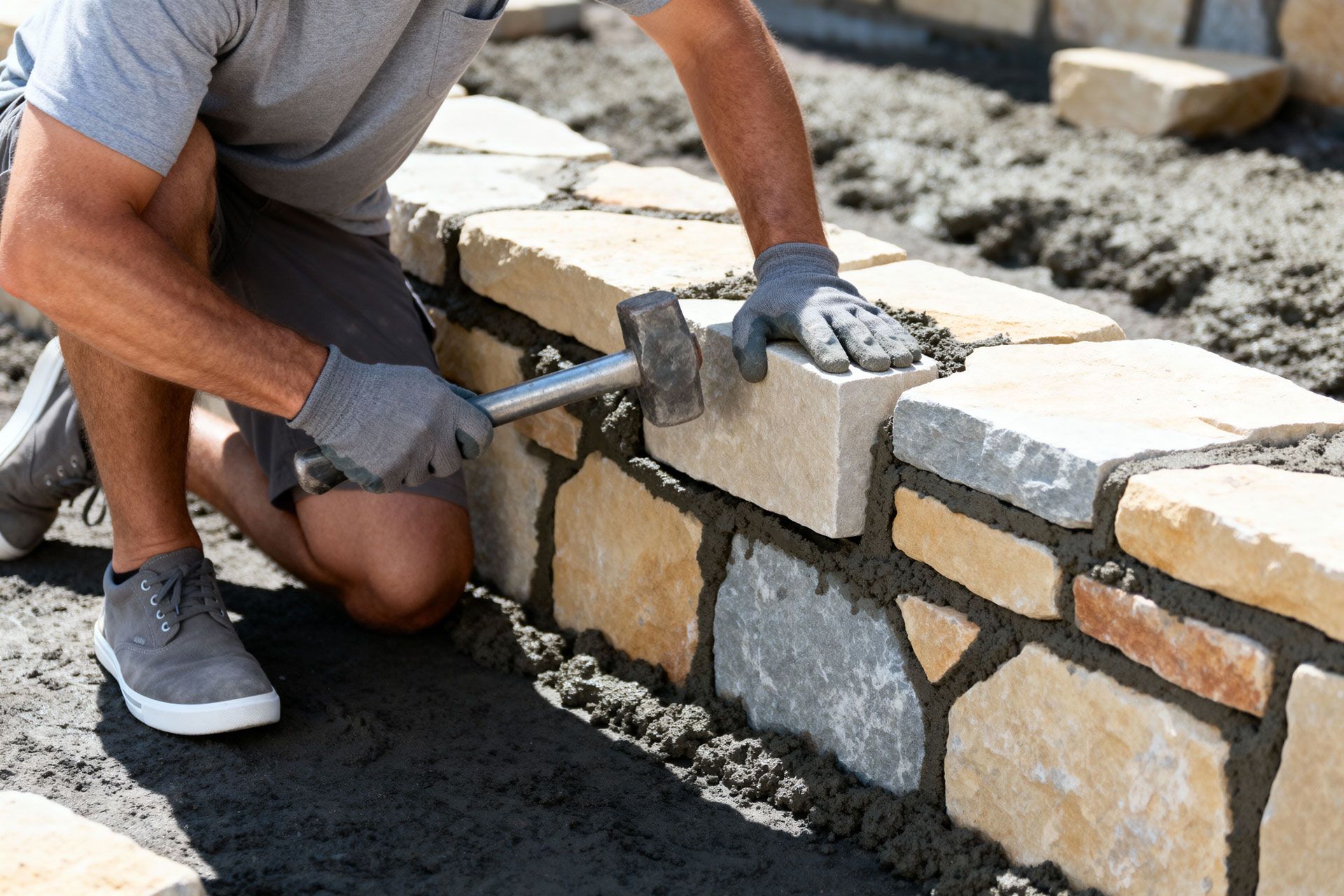
Stonework Installation for Residential and Commercial Projects
Stone construction projects vary widely in scale, from single-family homes to large commercial developments. Residential installations often emphasize architectural style and integration with landscaping, while commercial projects focus on durability, code compliance, and long-term performance under heavy use.
Matney Masonry provides stonework installation services in Omaha, NE that address both aesthetic and structural requirements. Each project begins with an assessment of site conditions, intended use, and material selection to ensure the finished masonry performs as expected. By combining traditional masonry techniques with modern construction standards, professionally installed stonework can provide both structural reliability and a distinctive appearance suited to the region’s built environment.
Whether constructing a new stone exterior, adding cladding to an existing structure, or building a fully load-bearing stone wall system, proper installation is essential to prevent premature deterioration and structural issues. High-quality stonework remains one of the most durable and enduring construction methods available when executed with attention to detail and local conditions.